
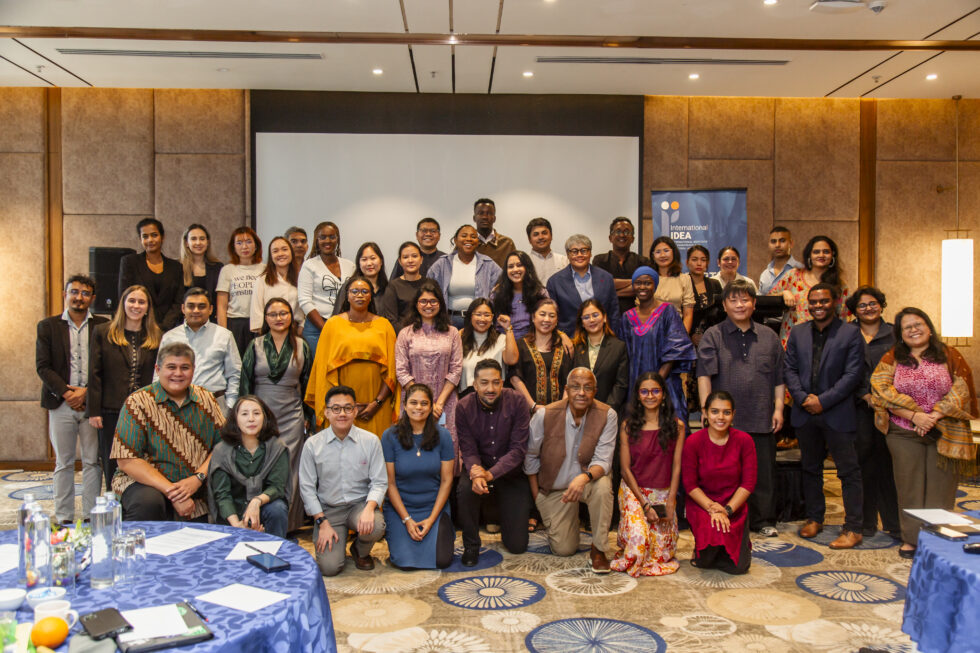
Open Net participated in “Reimagining Democracy in Asia,” a conference organized by the International Institute for Democracy and Electoral Assistance (International IDEA) and held on May 11–12, 2026, at the Mercure Kathmandu Sukedhara Heights in Kathmandu, Nepal. The event brought together civil society leaders, activists, legal professionals, and democracy advocates from across Asia and Africa to discuss strategies for responding to democratic backsliding.
Major Themes and Key Discussions
1. Democratic Resilience and Preventing “Bad Laws”
Participants emphasized that contemporary democratic backsliding often occurs not through illegal coups, but through the manipulation of laws and institutions from within the system. Various strategies for resisting such trends were discussed.
In particular, speakers stressed the need to repeal or block outdated colonial-era laws, vague public order statutes, and overbroad counterterrorism laws that authoritarian governments frequently weaponize to suppress political opposition.
2. Parliamentary Oversight and Meaningful Citizen Participation
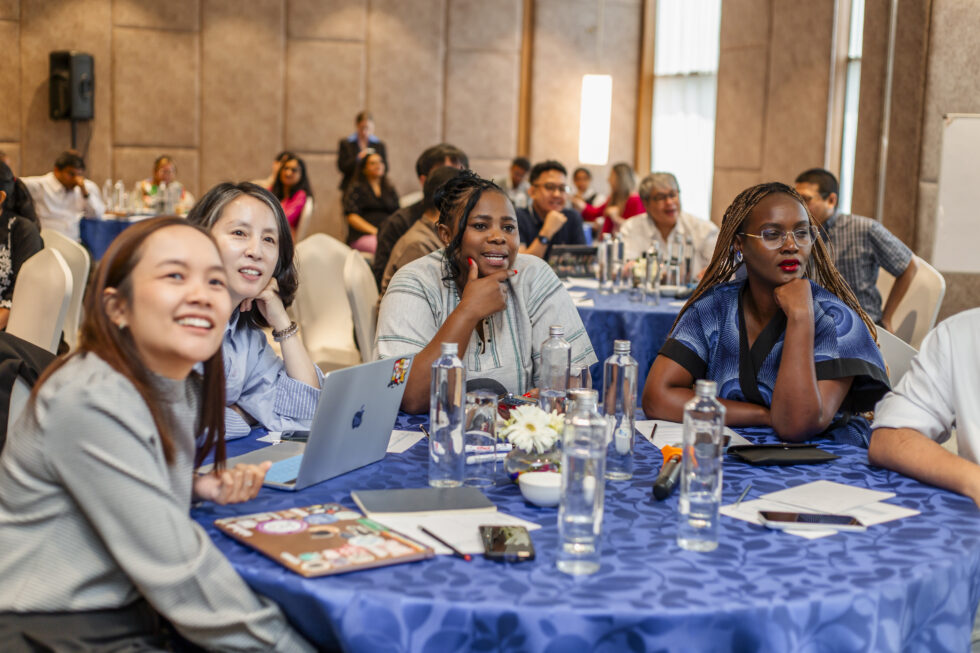
Participants critically examined the ways in which legislatures sometimes circumvent public scrutiny by rushing legislation through parliament or adopting large omnibus bills with insufficient deliberation. As alternatives, participants highlighted institutional mechanisms for citizen participation, including citizens' assemblies, e-petition systems, and pre-legislative review processes. Case studies from South Africa, Kenya, South Korea, India, and Sri Lanka were shared, illustrating both the achievements of participatory mechanisms such as public hearings and the persistent gaps between legal requirements and practical implementation.
3. Lessons from Democratic Movements Across Asia
The workshop also featured in-depth discussions on recent large-scale democratic mobilizations and citizen uprisings.
Bangladesh: Participants examined the process of developing the July Charter following the 2024 democratic movement, focusing on efforts to limit entrenched privileges and establish broad-based political consensus.
Sri Lanka: Discussions highlighted the pivotal role played by the Sri Lanka Bar Association during the 2022 protests. Legal professionals provided rapid legal assistance to arrested protesters and helped prevent the escalation of violence, demonstrating the importance of independent legal institutions during democratic crises.
Nepal: Participants shared experiences from the so-called “Generation Z Uprising,” which emerged from widespread socioeconomic grievances. Discussions focused on how activists responded to sudden constitutional uncertainty, navigated bureaucratic obstacles, and sought to enter electoral politics in order to reform existing political structures. Particular attention was paid to the challenges faced by young people from marginalized communities attempting to engage in formal political processes.

4. Protecting Civil Society Space
Participants stressed that safeguarding civic space, which is increasingly under pressure around the world, requires ensuring both the legal and institutional resilience of civil society organizations. Representatives from TrustLaw, a program of the Thomson Reuters Foundation, introduced their pro bono legal support services for NGOs. They recommended that organizations proactively conduct “legal health checks” covering taxation, organizational restructuring, intellectual property, and employment issues in order to better withstand politically motivated investigations and other forms of legal harassment by governments.
5. Building Regional Solidarity and Joint Action Plans
During the final workshop session, participants developed several concrete regional initiatives for future cooperation, including:
- Establishing a democracy participation and solidarity network to facilitate rapid resource-sharing and coordinated responses across Asia;
- Developing technological platforms to analyze and counter political disinformation;
- Strengthening cross-border cooperation among civil society organizations working to defend democratic institutions and civic freedoms.
The workshop provided a valuable opportunity for participants to exchange experiences, strengthen regional solidarity, and develop practical strategies for protecting democracy in the face of growing authoritarian pressures and democratic decline.
0 Comments